Diatoms and the Diatomist

This video kicked it all off for the Grade 1s. Their current UOI is How The World Works, and they are looking at the different states of water. Following on from our adventure in painting ice balls, we were looking at what was inside water.

I remember seeing this documentary about Klaus Kemp, one of the only people in the world who creates intricate artworks out of diatoms.

THE DIATOMIST is a short documentary about Klaus Kemp, master of the Victorian art of diatom arrangement. Diatoms are single cell algae that create jewel-like glass shells around themselves. Microscopists of the Victorian era would arrange them into complex patterns, invisible to the naked eye but spectacular when viewed under magnification.The best of these arrangements are stunning technical feats that reveal the hidden grandeur of some of the smallest organisms on Earth. Klaus Kemp has devoted his entire life to understanding and perfecting diatom arrangement and he is now acknowledged as the last great practitioner of this beautiful combination of art and science. THE DIATOMIST showcases his incredible work. Soundtrack by Ryuichi Sakamoto, Bernard Herrmann and Cults Percussion Ensemble. MATTHEW KILLIP is an English filmmaker living in New York. His documentaries have been broadcast on UK television and exhibited in festivals including Sundance and True/False.

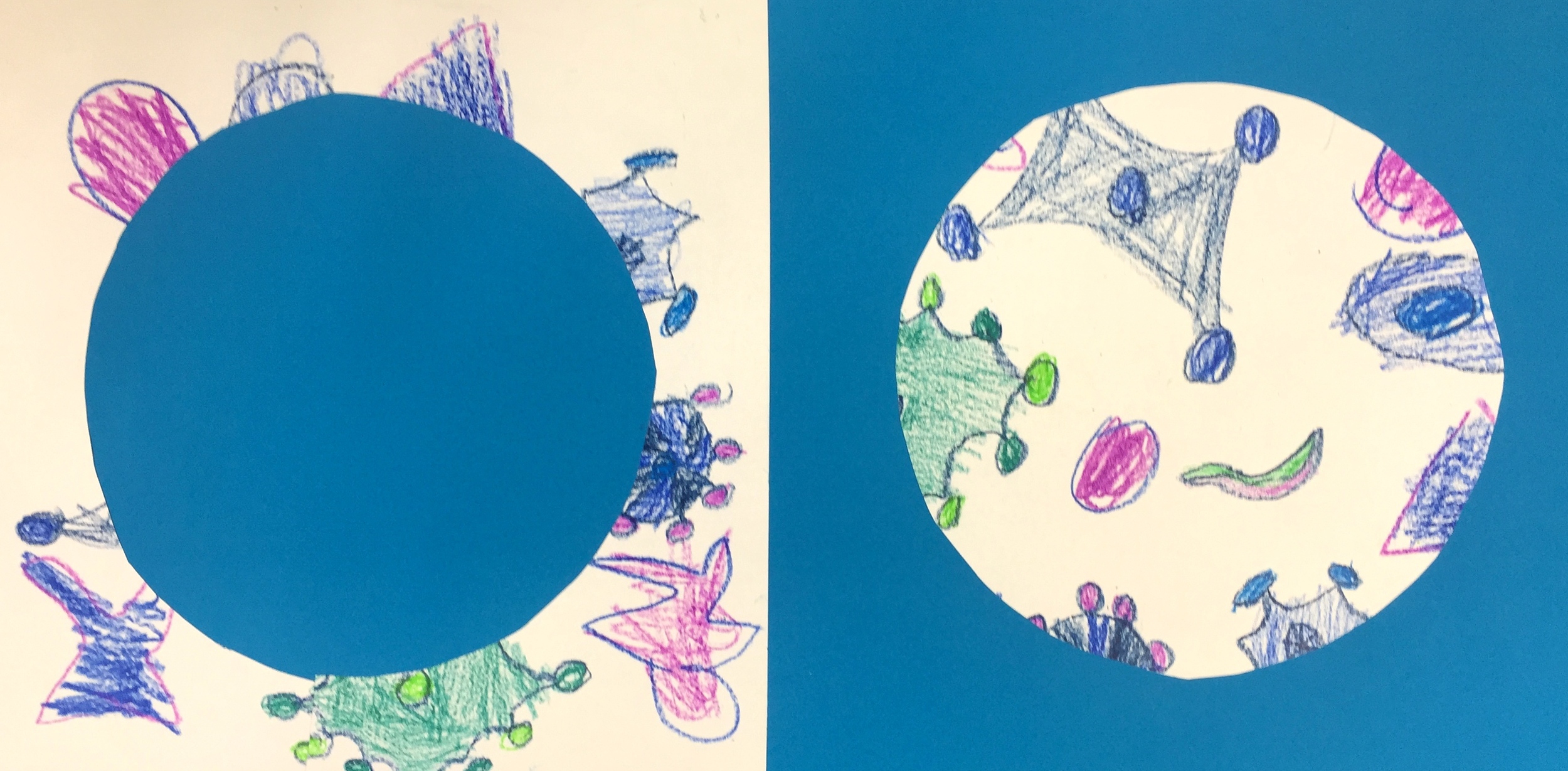
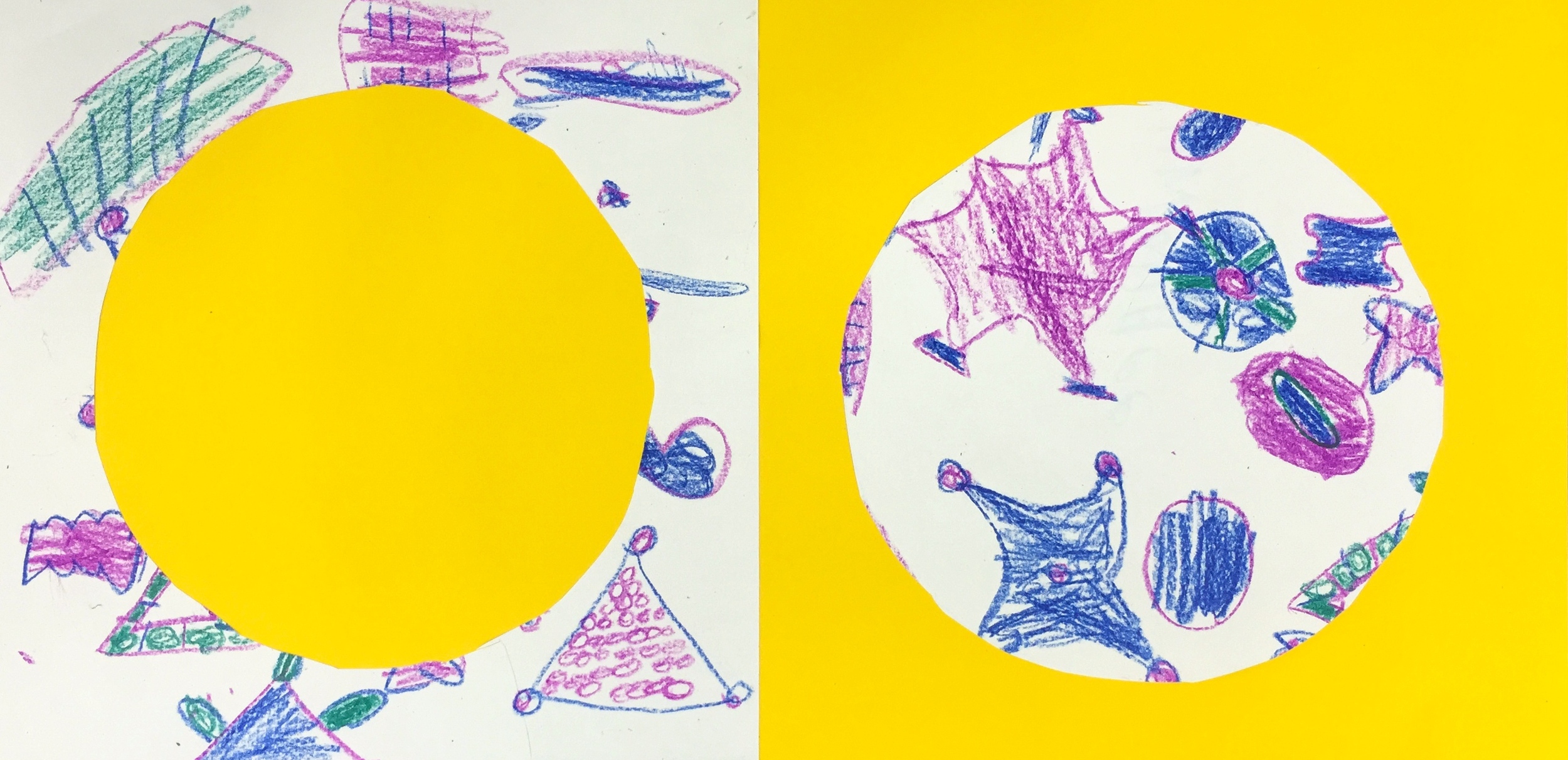
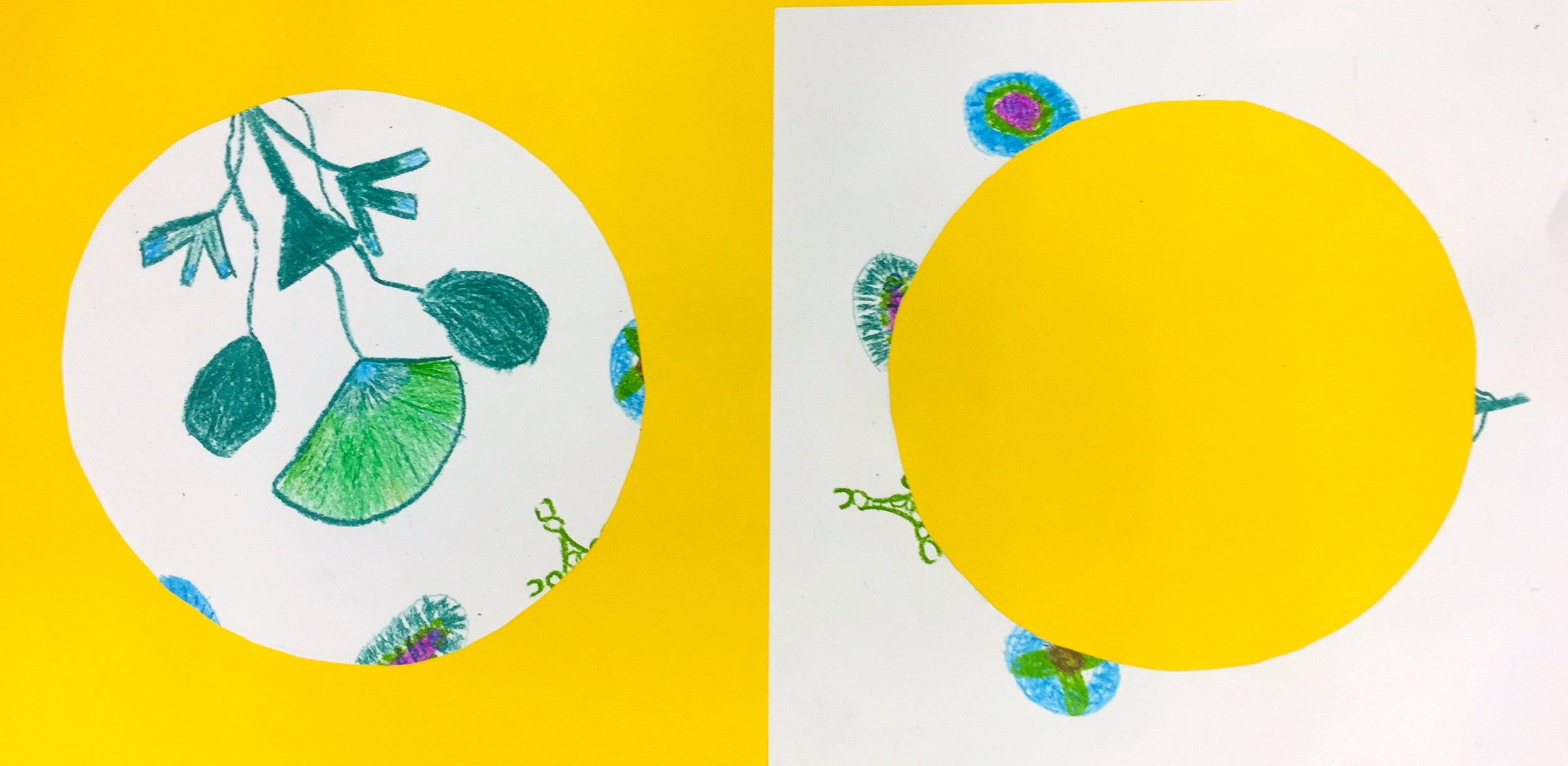
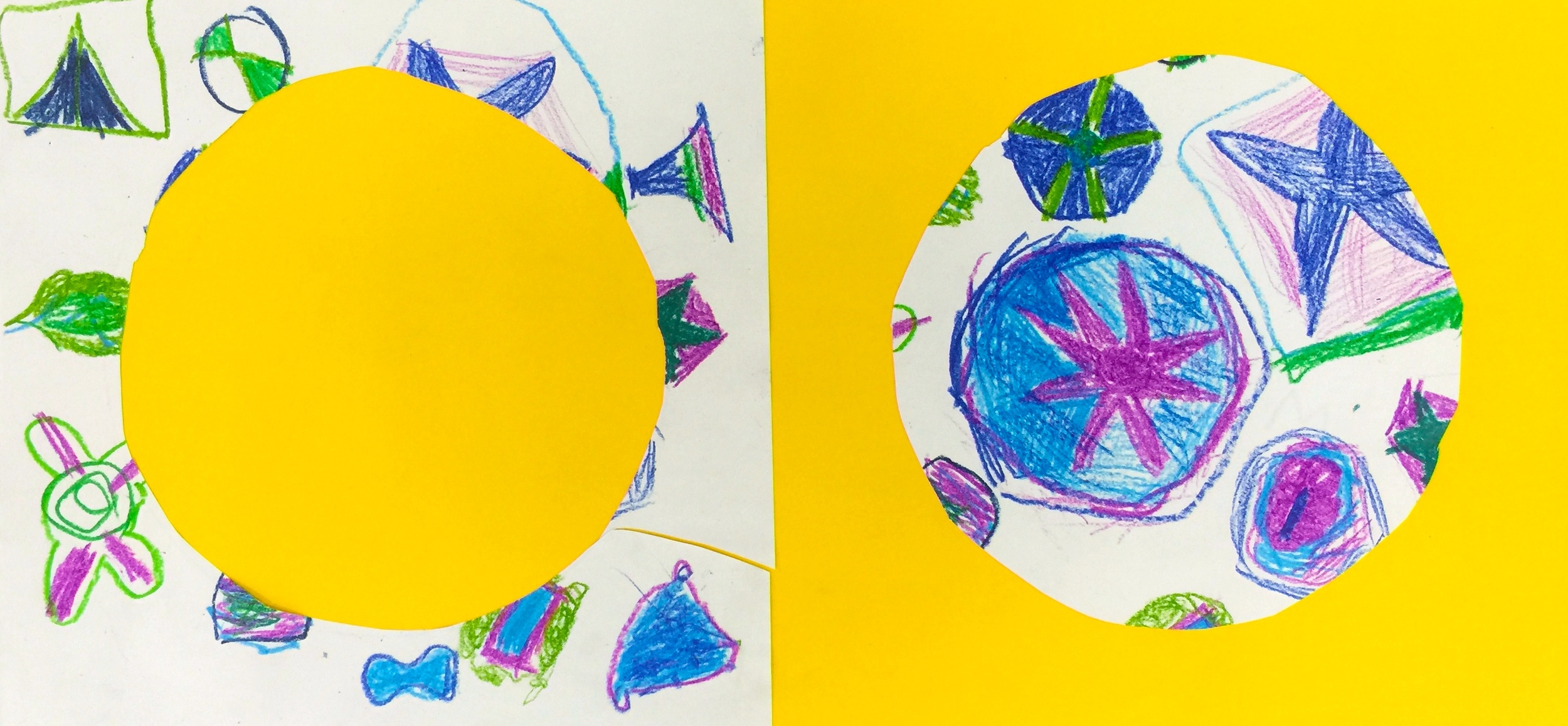
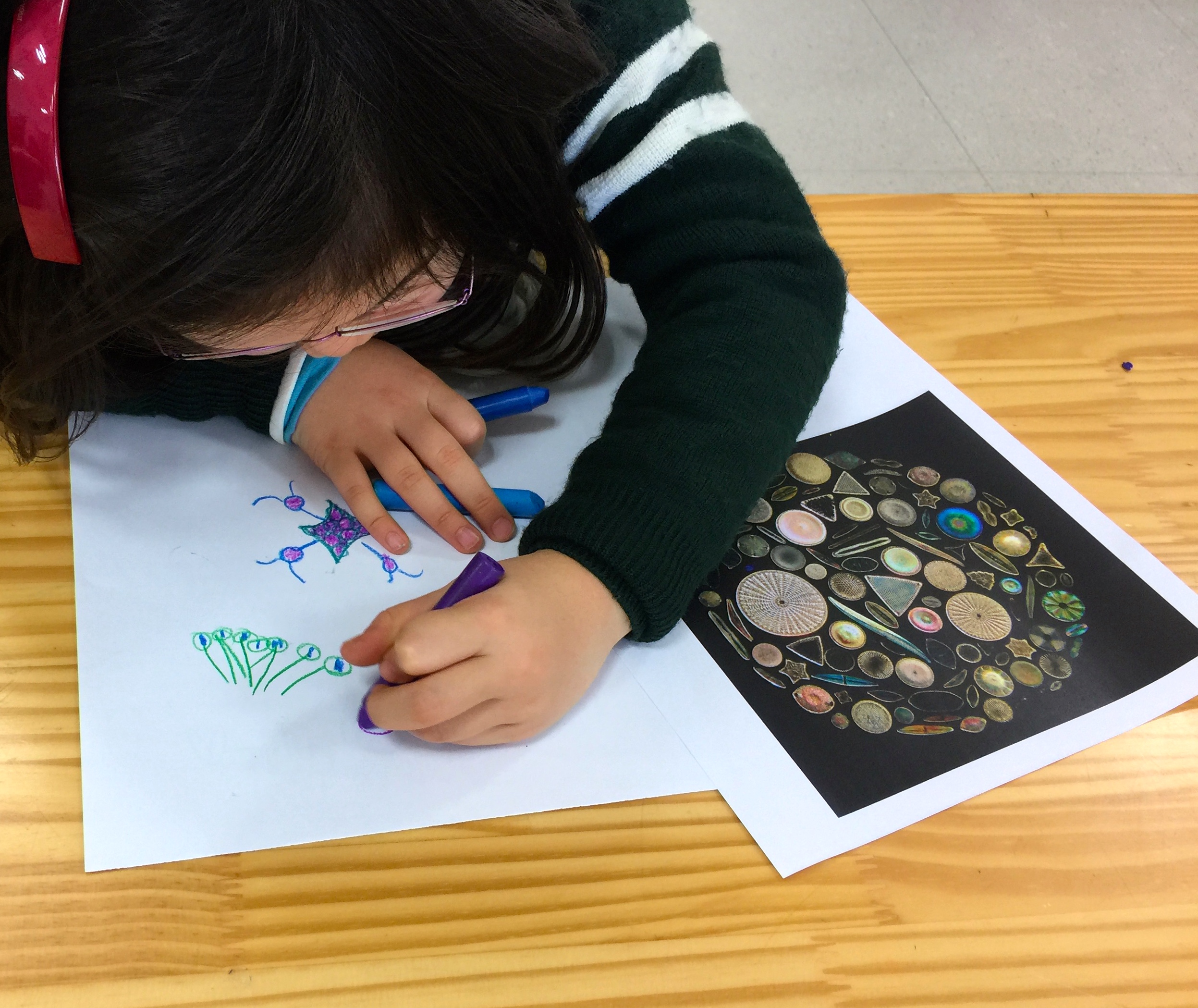
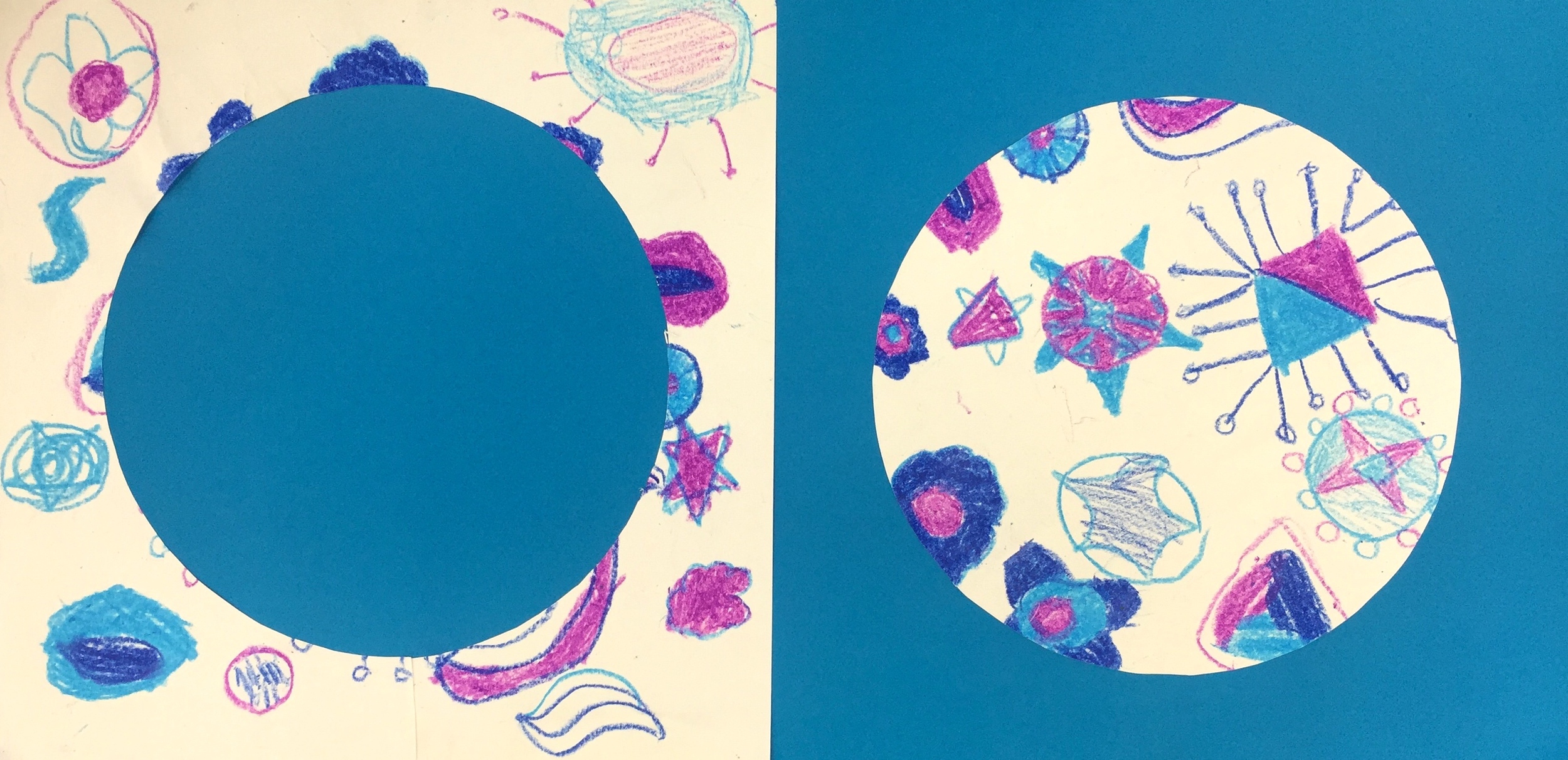
After looking at the video and discussing the shapes (we've been looking at different types of symmetry in art and nature) we discussed what kinds of lives these creatures must have. Students drew their interpretation of a diatom design, which we then cut out to show as if we were looking through a magnifying glass.

Gallery of student works
Draw, Draw-bots! Draw!

Quite possibly the most fun I've ever had with an art project.

This unit tied in with the grade 4's unit on How The World Works. We were looking at electricity.

Presented with a pile of switches, wires, DC motors and coffee cups, students worked in pairs to design, build and "release" a drawbot. Each one ended up having its own character.

Grade four IB PYP students doing some transdisciplinary learning about electricity and generative art


Painting with Pendulums

The grade threes are engaged in a transdisciplinary unit on simple machines.  In visual arts we have been looking at the complex, and not so simple, machines of Rube Goldberg.

 We looked at some of his drawings as well as the OK Go video This To Shall Pass. Their culminating task will be to design and build a Rube Goldberg-like machine that links up with other machines.  

After watching the video and looking at the drawings and then doing some drawing, I wanted to get students thinking about how machines could create art. We built 5 pendulums with paint bottles, artists' easels, and string. Students experimented with different weights and directions for setting the pendulum in motion. When they were ready, we set them in motion. It was very messy, but produced some wonderful results. 

Grade three students are doing a transdisciplinary unit on simple machines. We built pendulums with paint containers and created these generative artworks.

Students experimented with how the length of strings and different weights affected the pendulums arc. Our next step in this unit of inquiry is to translate their knowledge of different machines and the excitement of pendulum painting into artistic creations that have a whimsical element, in much the way Goldberg's drawings did.


Painting and Planting Ice Balls

IMG_9491.JPG

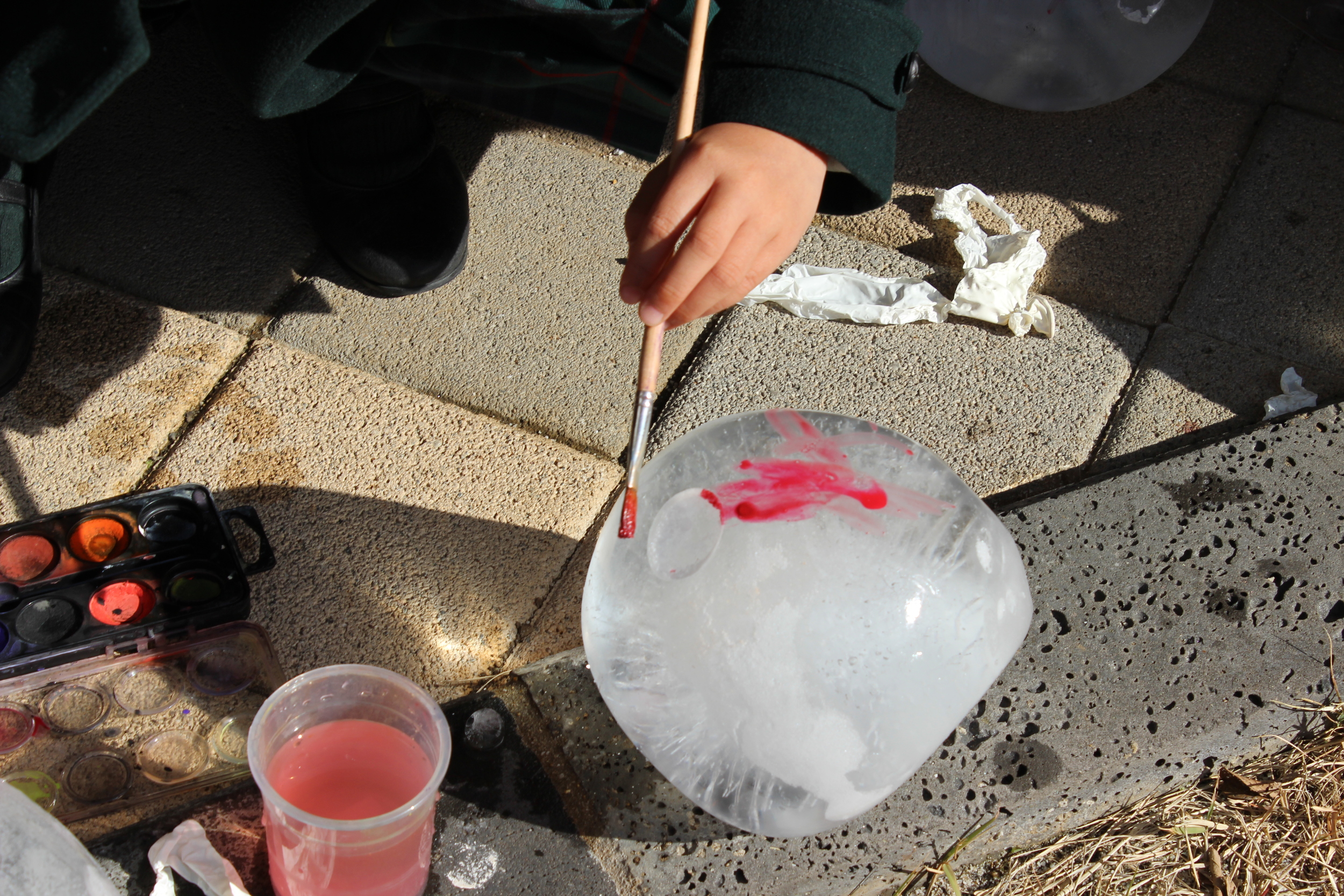
It's winter here, though just barely above freezing, and I was thinking of ways we could be making art outdoors in a fun and interesting way. Unfortunately, were hampered by the lack of snow and ice. Fortunately, however, I was able to talk my way into using the school cafeteria's giant walk-in freezer to make some large balls of ice (frozen water balloons).

We made about 60 ice balls and brought groups of students out to paint them with watercolors. It was a really engaging activity and the students enjoyed the thrill of painting on a strange substance. We then "planted" the ice balls around the large tree. It was quite beautiful with the ice hitting the ice and highlighting the colors. The balls lasted for about a day before they melted away.

For the next round, I think we will experiment with placing objects in the ice, or doing this at a time of year when the temperature stays below zero for longer.


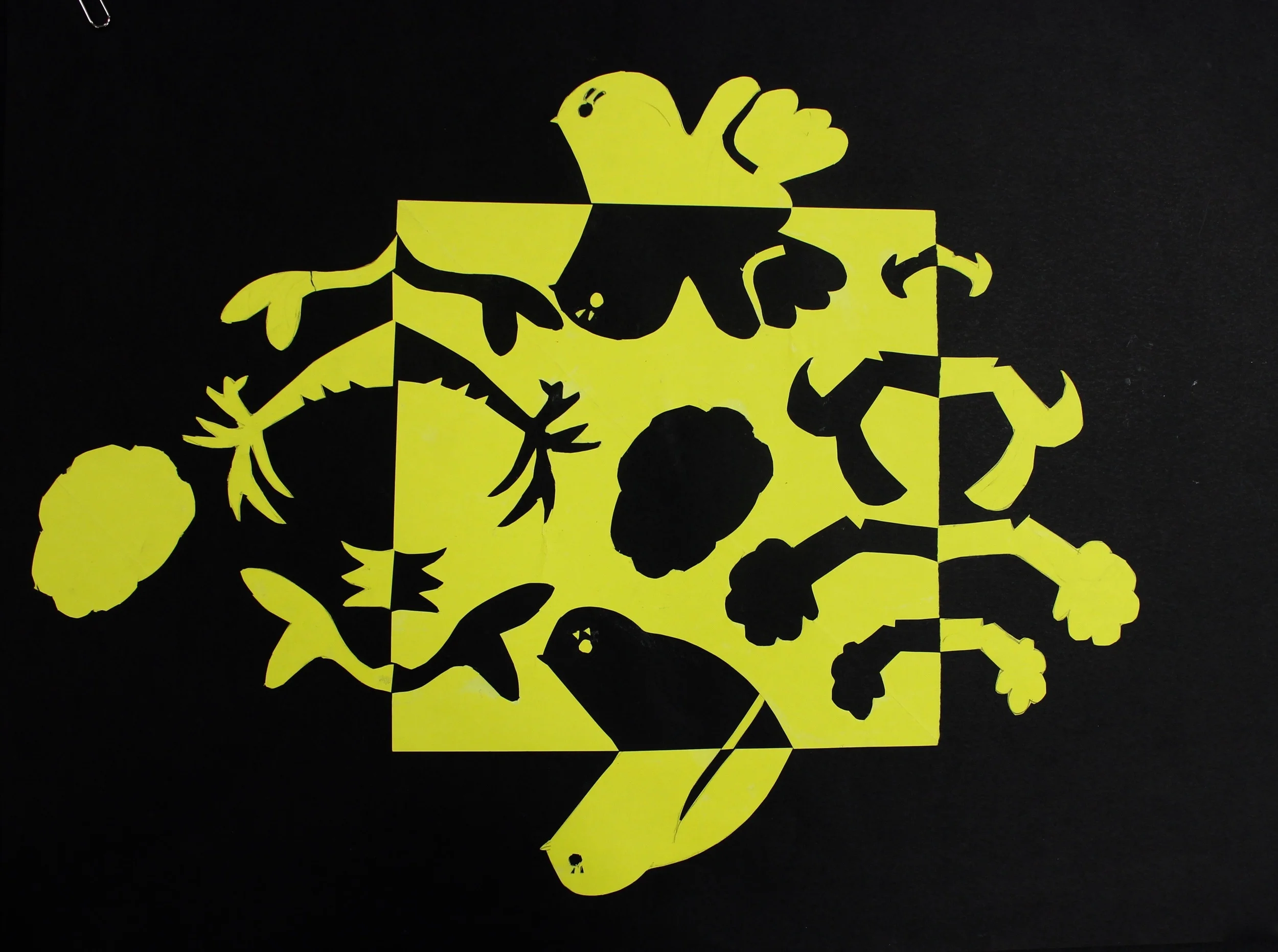
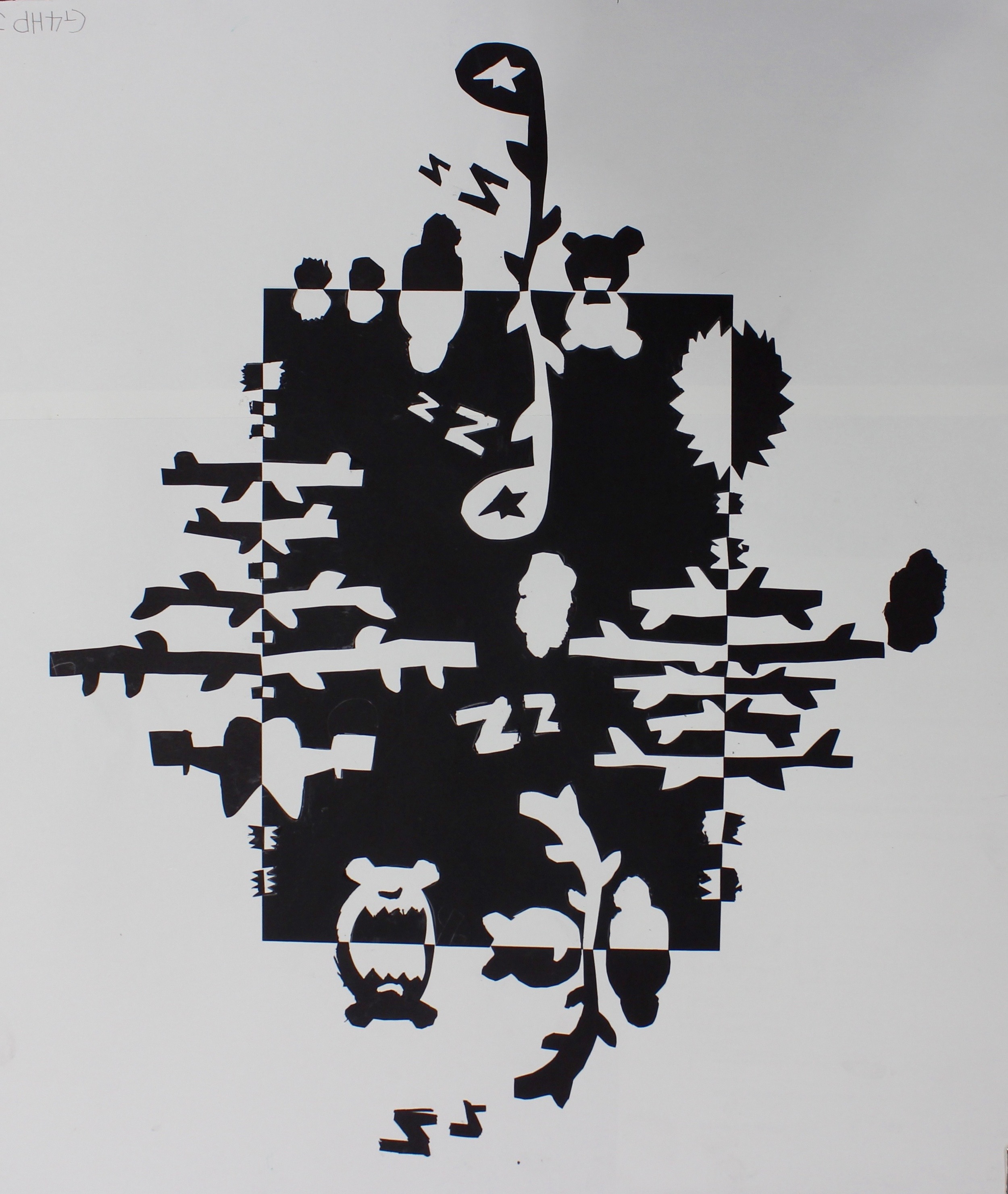
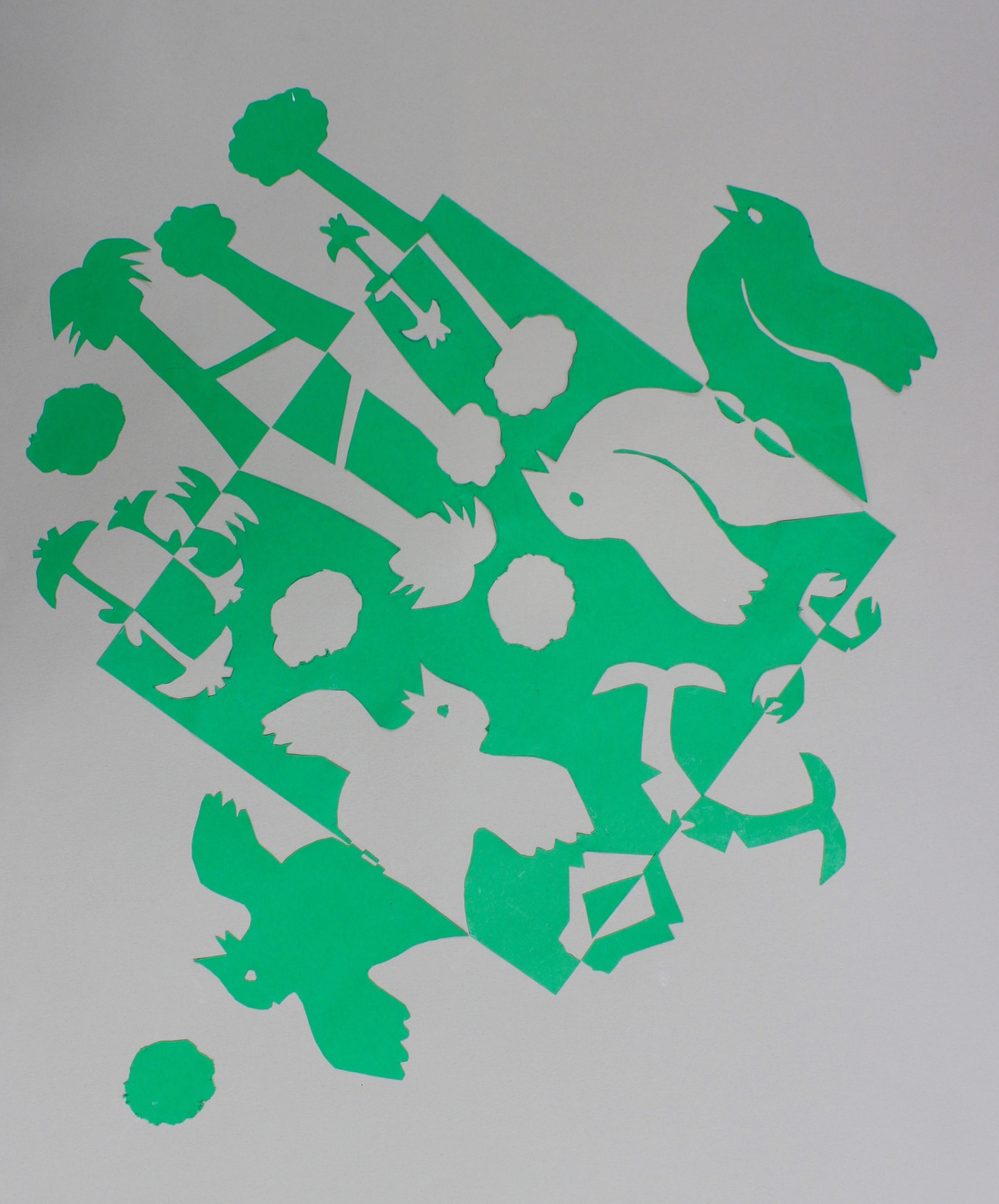
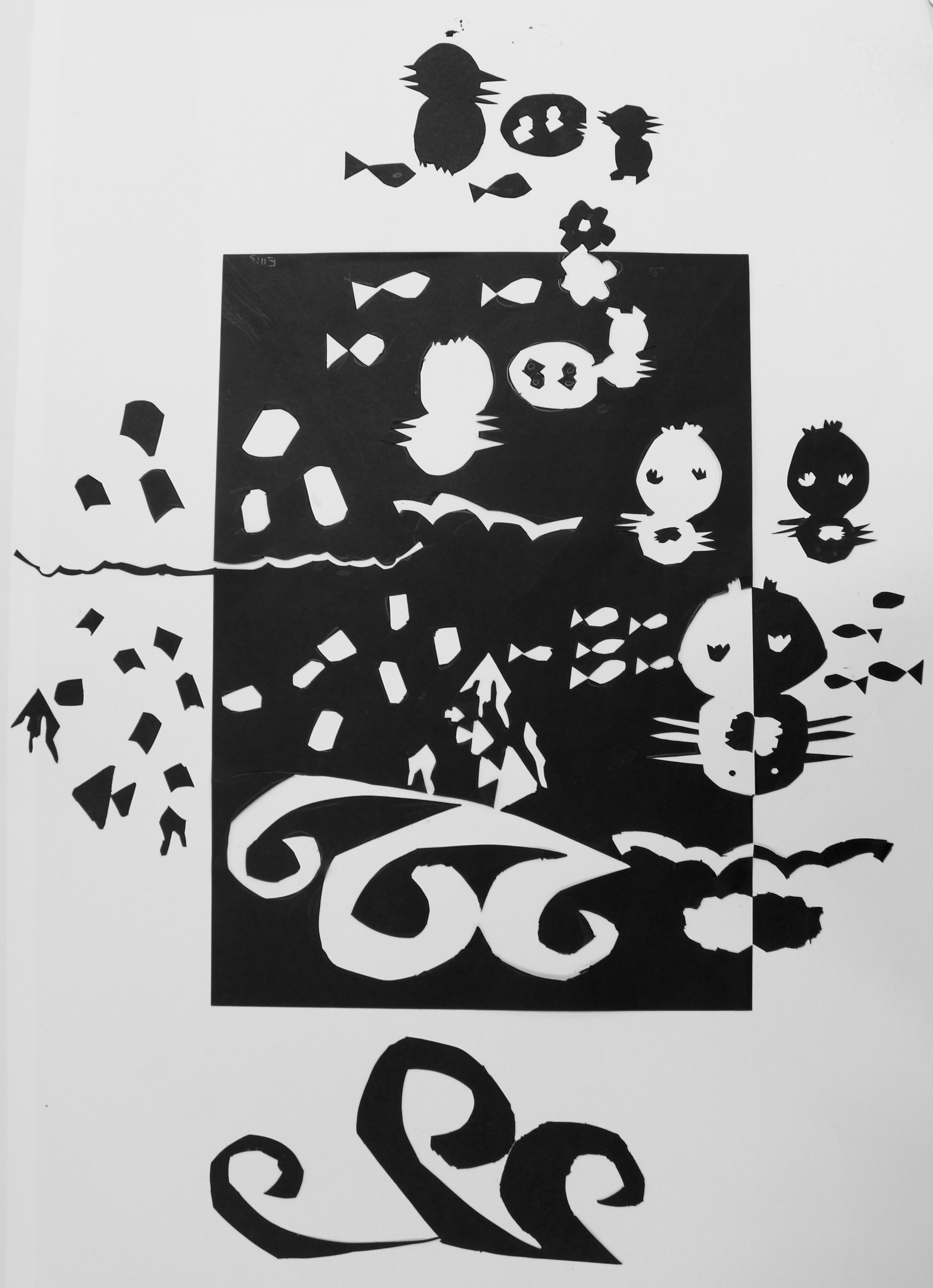
Notan Creatures

The current UOI for Grade 4s is looking at the impact of human actions on animals and their environment.

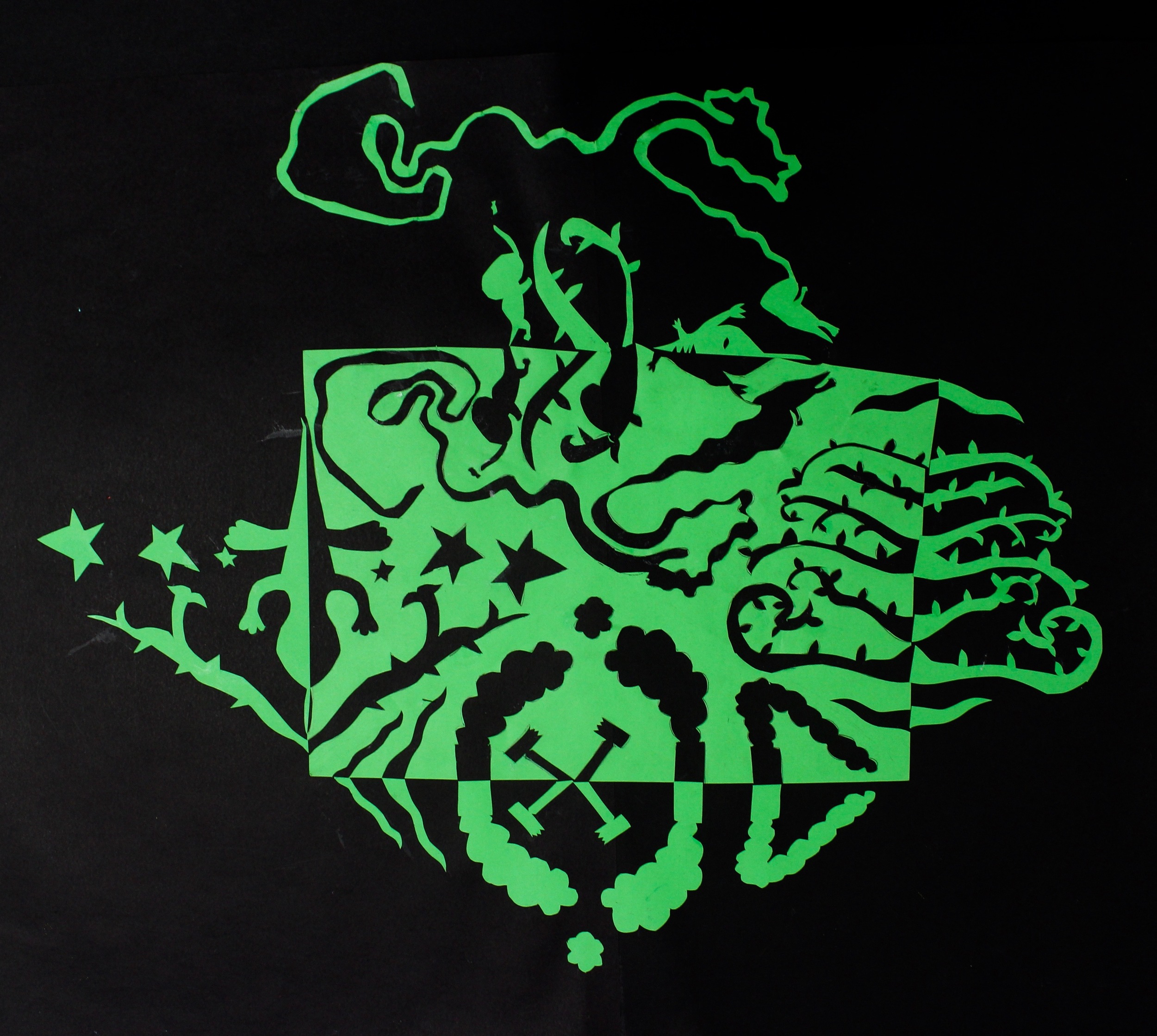
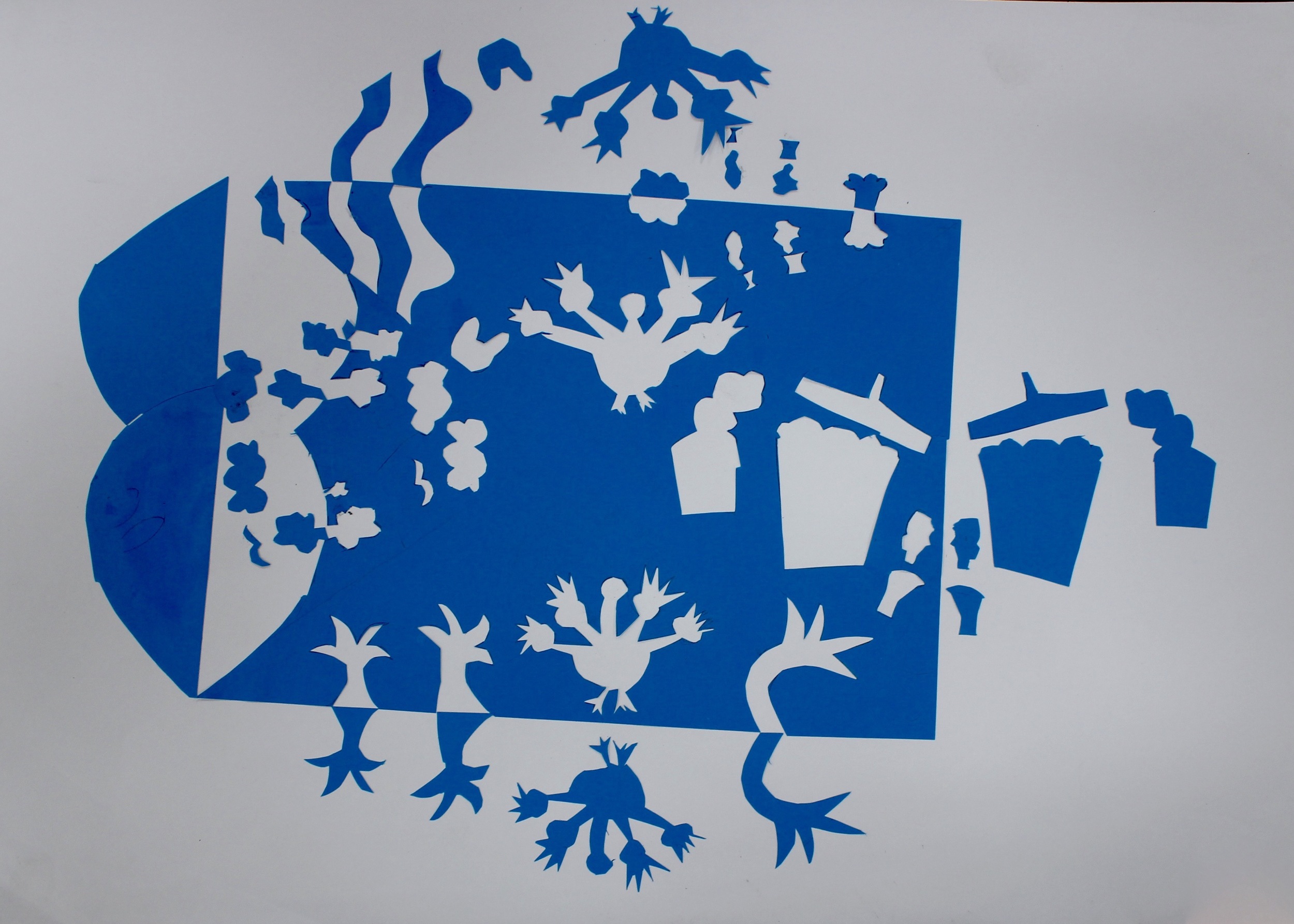
We started off by doing a short lesson to learn the cut-and-paste technique for making notan designs. The results were quite striking and got us excited about the next step:

Next, we created a large-scale design based on the animal the students had been researching. In their design, they had to incorporate four aspects: the animal, its environment, threats it faces, and future (imaginary) adaptations to that environment. Students created some interesting compositions. For many, this was the first time they thought about an artwork conveying a message.